
Blog

Darlene Murphy
December 30, 2025
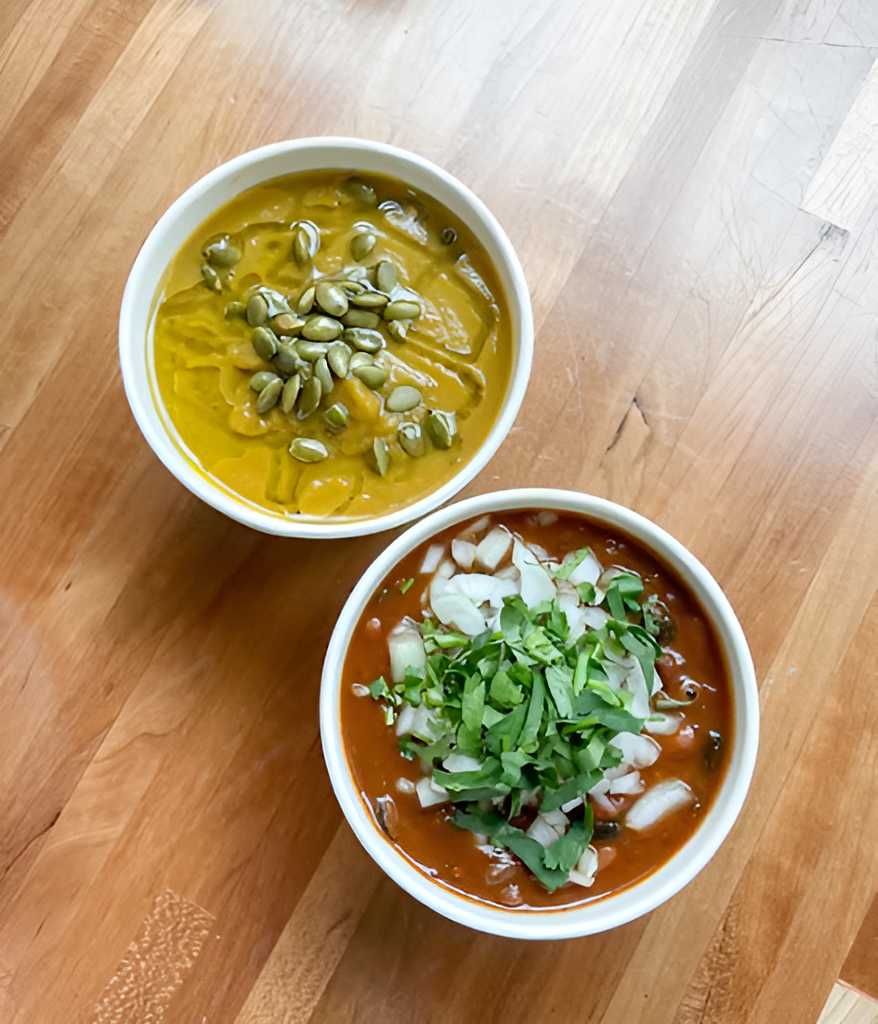
Veganism has progressed from being an exclusive lifestyle choice to becoming widely accepted. Increasingly large numbers of individuals are now embarking on a dietary conversion to plant-based meals, rather than viewing it as just a trend. However, several common fears continue to keep many from making that final plunge and going vegan. For example, "Will I still feel full?" "Is it too complicated?" and "Can I actually maintain this long-term?"
Transitioning to a vegan and plant-based lifestyle does not have to be complicated. Here’s how you can go vegan in 2026.
The conversation around vegan food has shifted considerably. Fewer people approach it as an all-or-nothing declaration and more as a gradual shift toward plant-forward eating. Many successful transitions begin with one meal, often starting with vegan lunches or dinners before expanding further.
This flexibility removes pressure while building confidence. Balance, satisfaction, and sustained energy matter more than rigid adherence to labels. The persistent misconception that vegan food lacks protein or variety dissolves quickly once you experience well-constructed plant-based meals. Modern vegan eating offers diversity without requiring hours in the kitchen or specialty ingredients.
Grain bowls function as the perfect entry point for plant-based eating. They work equally well for a healthy lunch or a healthy dinner, adapting to whatever your schedule demands. The format feels familiar, reducing the learning curve.
During dietary transitions, some cravings can derail your new efforts. Properly built vegan bowls prevent this entirely through balanced nutrition that keeps you satisfied for hours. You're not white-knuckling through afternoons, wondering when you can eat again.
Understanding how grain bowls are made makes it easier to build them. Whole grains are your best choice to start, forming a hearty, grounding base. Organic black rice and quinoa provide long-lasting energy and are substantial.
In addition to whole grains, include roasted and fresh vegetables. Roasted vegetables add rich flavor and natural sweetness, while fresh vegetables bring crunch, color, and texture. This combination creates a balance that keeps meals interesting.
Plant-based protein is essential. Chickpeas, beans, and tofu provide fuel without heaviness. The final layer matters more than people expect: crunchy toppings or flavorful dressings elevate your bowl from something to tolerate to something craveable.
Vegan salads have moved far beyond basic greens and light toppings. When built intentionally, they offer the same satisfaction as bowls, just with a fresher, lighter feel.
Well-balanced vegan salads combine hearty greens, roasted vegetables, whole grains, and plant-based proteins to create meals that keep you full without feeling heavy. Texture plays a significant role here: crunchy vegetables, seeds, and thoughtful dressings prevent salads from feeling flat or forgettable.
For anyone easing into vegan food, salads are an easy way to add more plant-forward meals into the week while still enjoying variety, flavor, and flexibility, especially when time or appetite calls for something lighter.
Wraps provide comfort and familiarity during a dietary shift. They fit seamlessly into everyday routines, making them ideal for busy workdays and on-the-go lunches while still supporting plant-based goals.
For those experimenting with vegan food for the first time, wraps feel approachable. They don't announce themselves as "special" meals. They're just lunch or dinner, simple, satisfying, and easy to enjoy.
Fiber-rich, plant-based meals influence how you feel throughout the day. Digestion often improves when meals center on vegetables, whole grains, and plant proteins. The steady energy from whole foods helps avoid post-meal crashes.
We consistently hear good things from guests who feel lighter after eating, without feeling hungry. Healthy food shouldn't leave you sluggish or uncomfortable. When meals support energy and focus, sticking to new habits becomes far easier.
Consistency matters more than perfection. What counts is making vegan food part of your routine, not a short-term experiment.
Decision fatigue derails more resolutions than lack of motivation. When food choices feel overwhelming, convenience wins. Buildable meals remove that friction entirely.
Grain bowls, salads, and wraps hold up well over long days and stay satisfying through the afternoon. Flavor and texture are non-negotiable for long-term success. Food also needs to be enjoyable because nutritious but bland meals won't last beyond a few weeks.
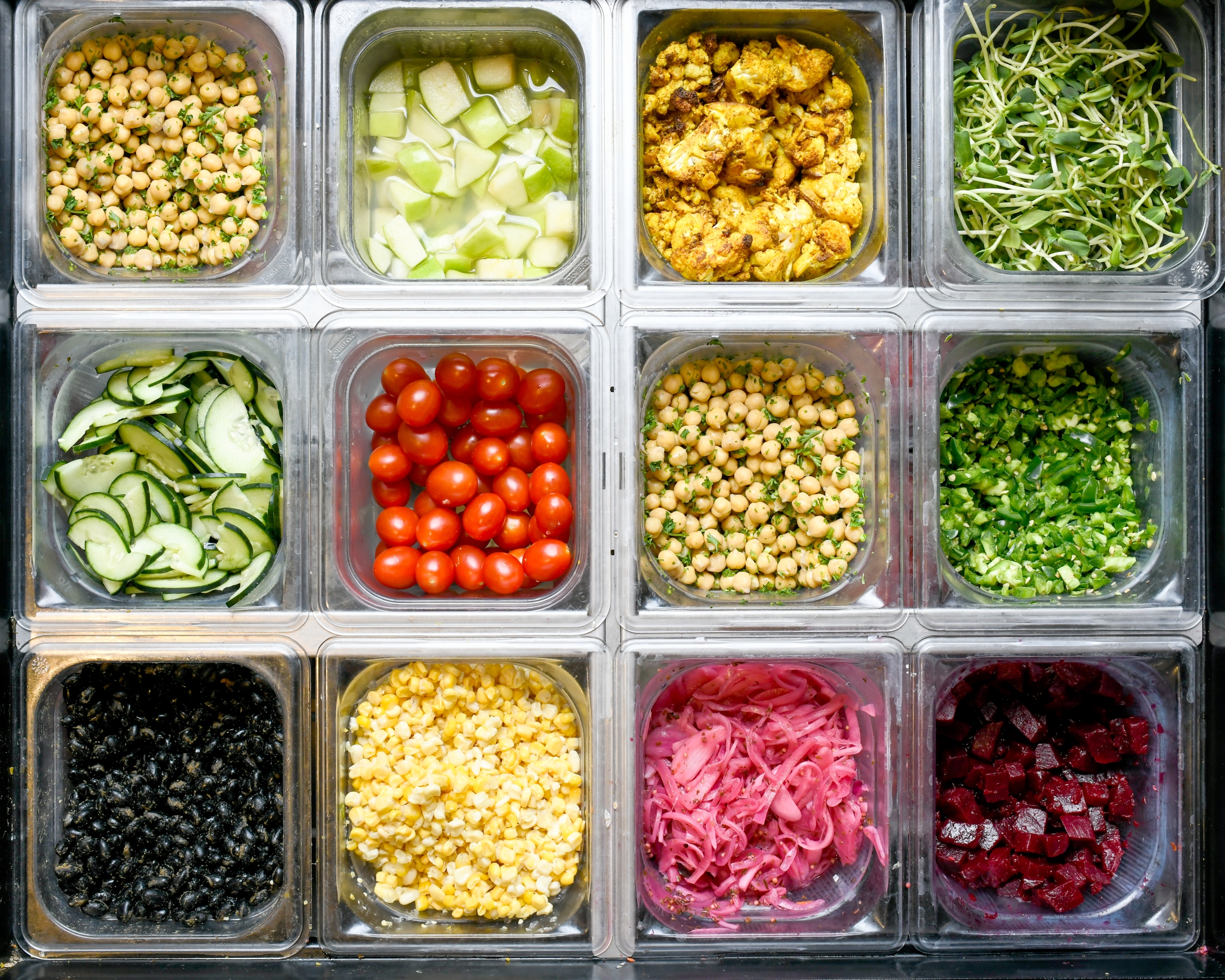
Dietary flexibility is built into Forage Kitchen's operations. At Whitefish Bay, Madison, and other Forage Kitchen locations, guests can fully customize grain bowls and salads using fresh vegetables, whole grains, greens, and plant-based proteins, without relying on pre-made shortcuts.
Whether you’re a committed vegan or simply adding more plant-based elements into your week, Forage Kitchen makes it easy to build something satisfying, balanced, and realistic for everyday life.
Yes. When meals include whole grains, vegetables, and plant-based protein, they provide lasting fullness and steady energy.
No. Many people start with one vegan meal a day and build from there.
Grain bowls and wraps are approachable, customizable, and easy to enjoy without significant changes.
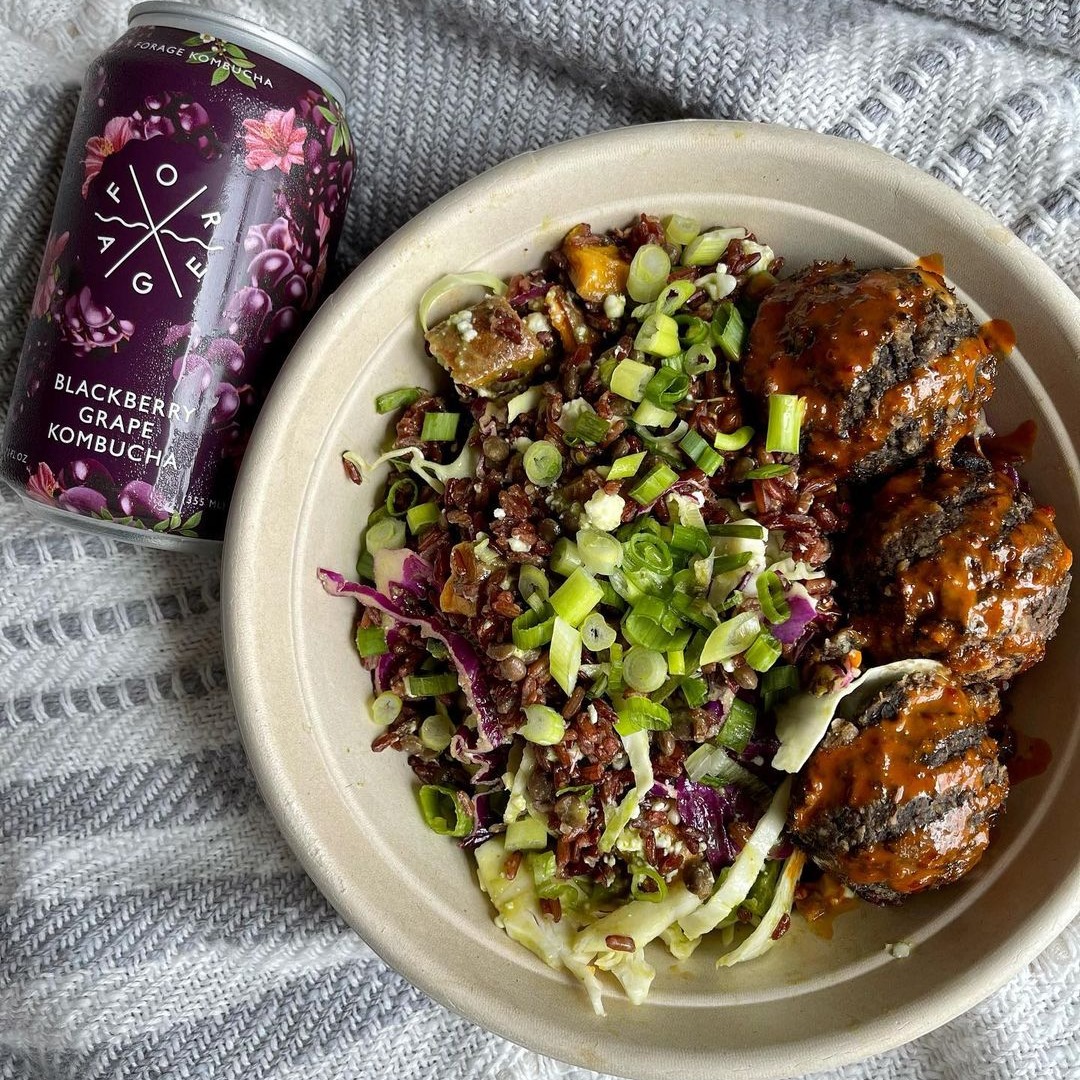
Transitioning to a vegan lifestyle in 2026 doesn’t require drastic changes overnight. Small, repeatable choices create habits that actually stick. Grain bowls, salads, or wraps work exceptionally well because they adapt to real life, real schedules, and real preferences.
Ready to make plant-based eating effortless? Order Forage Kitchen's vegan-friendly bowls and discover how satisfying the switch can feel.
Darlene is the co-owner of Forage and an expert in restaurant and food marketing, brand development, and public relations for small businesses. She specializes in creating compelling marketing materials, including ad copy, websites, and catalogs, to help brands connect with their audience.


