
Blog

Darlene Murphy
January 19, 2026

Many of us grew up thinking vegetarian food meant boring flavors, underwhelming salads, and ‘diet plates’ that somehow leave you hungry again just a short time later. But vegetarian food isn’t meant to be light; it’s meant to be balanced. Post-lunch hunger usually has less to do with skipping meat and more to do with missing proteins, fiber, healthy fats, and other satiety-supporting nutrients.
That’s where grain bowls come in. Built with whole grains, vegetables, proteins, and flavorful sauces, they’re designed to support both healthy lunches and nourishing dinners. So what makes grain bowls different? Let’s break down why they’re reshaping vegetarian eating and how Forage Kitchen makes them genuinely satisfying.
Calling a meal “healthy” doesn’t mean much if it doesn’t keep you full. Balance matters for your body and taste buds. Here’s where many vegetarian meals fall short:
You don’t need meat for a filling meal; you need the right combination of ingredients.
Veggies provide fiber, but whole grains deliver antioxidants, complex carbs, vitamins, minerals, and steady energy, making meals feel complete.
Rotating vegetables, sauces, and toppings keeps vegetarian lunches interesting without feeling repetitive.
How do you structure a grain bowl that actually feels both balanced and flavorful? Here’s how each component works together.
When done right, grain bowls become crave-worthy, not just “good for you.”
Locally sourced ingredients mean better texture, fresher and more consistent quality. Shorter travel time preserves nutrients and keeps vegetables crisp and grains at their best.
When ingredients lose their freshness, they also lose nutrients. Fresher, high-quality produce brings more nutrients that support steady energy and lasting fullness. Sourcing locally also helps nearby farmers, strengthens the local economy, and lowers environmental impact by reducing how far food travels before it reaches your plate.
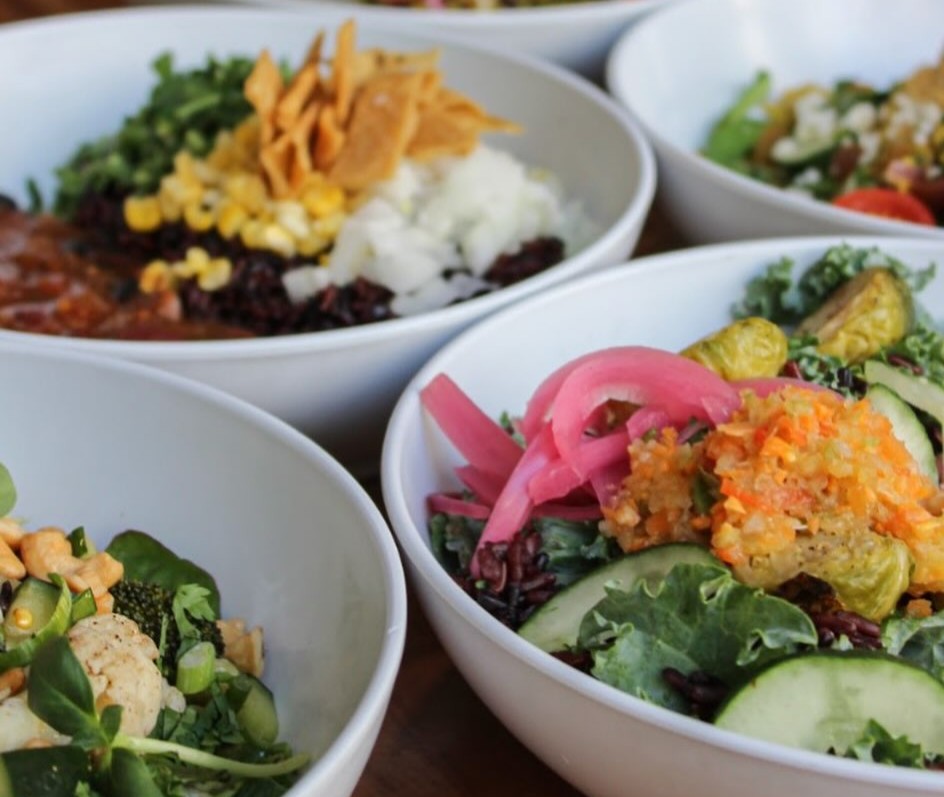
Need a quick, healthy lunch or a hearty dinner after a long day? Grain bowls have you covered.
Build your grain bowl lighter or heartier by adjusting veggies, proteins, and topping portions to match your appetite.
Your food choices shape your energy, focus, and daily rhythm more than you might think. Balanced vegetarian bowls with whole grains, fiber, protein, and healthy fats help prevent sudden energy dips, carrying you through meetings and errands.
When your meals include enough satiety-supporting nutrients, you’re less likely to snack mindlessly or rely on sugar for quick boosts. The proper nutrition, balanced flavors, and satisfying texture make healthy routines enjoyable and easier to maintain, unlike bland “perfect” meals that feel like a compromise.
Vegetarian food means more than just veggies. Here’s how to build grain bowls that keep you full:
Pro tip: Avoid bowls that rely only on greens, as they often leave you hungry and dissatisfied.
Forage Kitchen builds vegetarian grain bowls around whole grains like organic black rice, quinoa, and farro, then layers them with fresh vegetables, crunchy toppings, and sauces such as creamy tahini or avocado green goddess. Each bowl can be shaped to match your preferences and appetite.
At Forage Kitchen in Madison, Sun Prairie, Middleton, and other locations, we source our ingredients locally from local farms like Flynn Creek Farm, ensuring consistent quality and freshness in vegetarian food. Whether you are looking for grab-and-go lunches or relaxed dinners, customize your meal in all the ways that you like best at Forage Kitchen, anytime.
Some vegetarian meals focus primarily on vegetables and greens, which often don’t provide enough protein, fiber, and healthy fats to keep you full for long.
Yes. Grain bowls usually combine whole grains, fiber-rich vegetables, plant proteins, and healthy fats, making them balanced and filling for vegetarian diets.
Grain bowls and salads are the best vegetarian lunch formats that deliver satiety-supporting nutrients.
Vegetarian food, like grain bowls, allows you the flexibility to adjust portions for dinner.
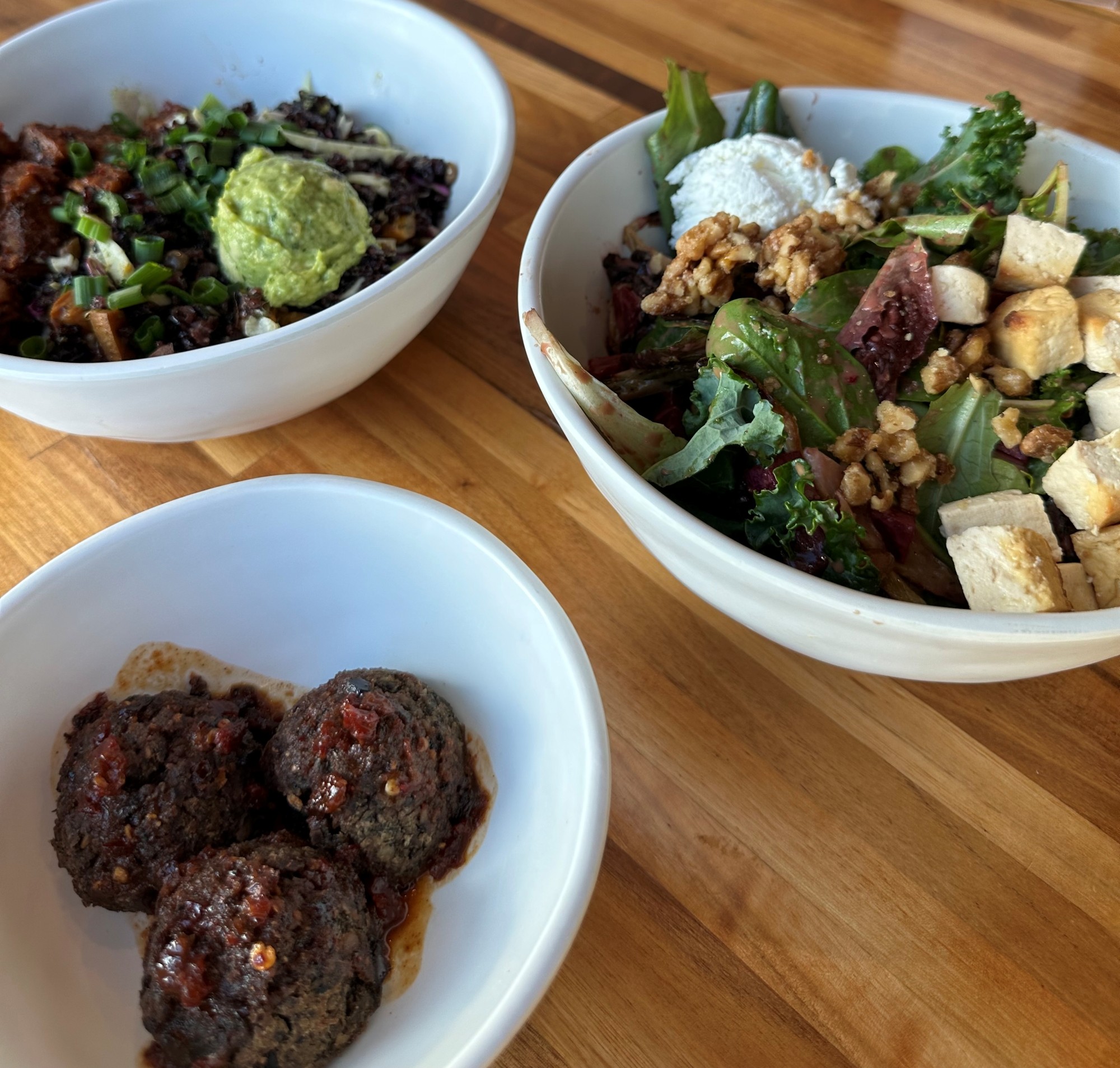
Vegetarian eating no longer means choosing between fullness and flavor. Grain bowls with balanced nutrition and flavorful sauces support both.
Healthy vegetarian eating becomes easier to maintain when meals are enjoyable and satisfying. Forage Kitchen is making vegetarian food simple, flavorful, and intentional.
Looking for vegetarian food that actually keeps you full? Order Forage Kitchen’s grain bowls and build a meal that supports your day from start to finish.
Darlene Murphy is Vice President of Brand Development at Forage Kitchen. A veteran of both restaurant and retail marketing, she makes sure everyone knows and loves the Forage Kitchen vibe and is focused on strengthening the brand, menu innovation and creating a community for both existing and new guests.