
Blog

Halle Brown
December 15, 2025
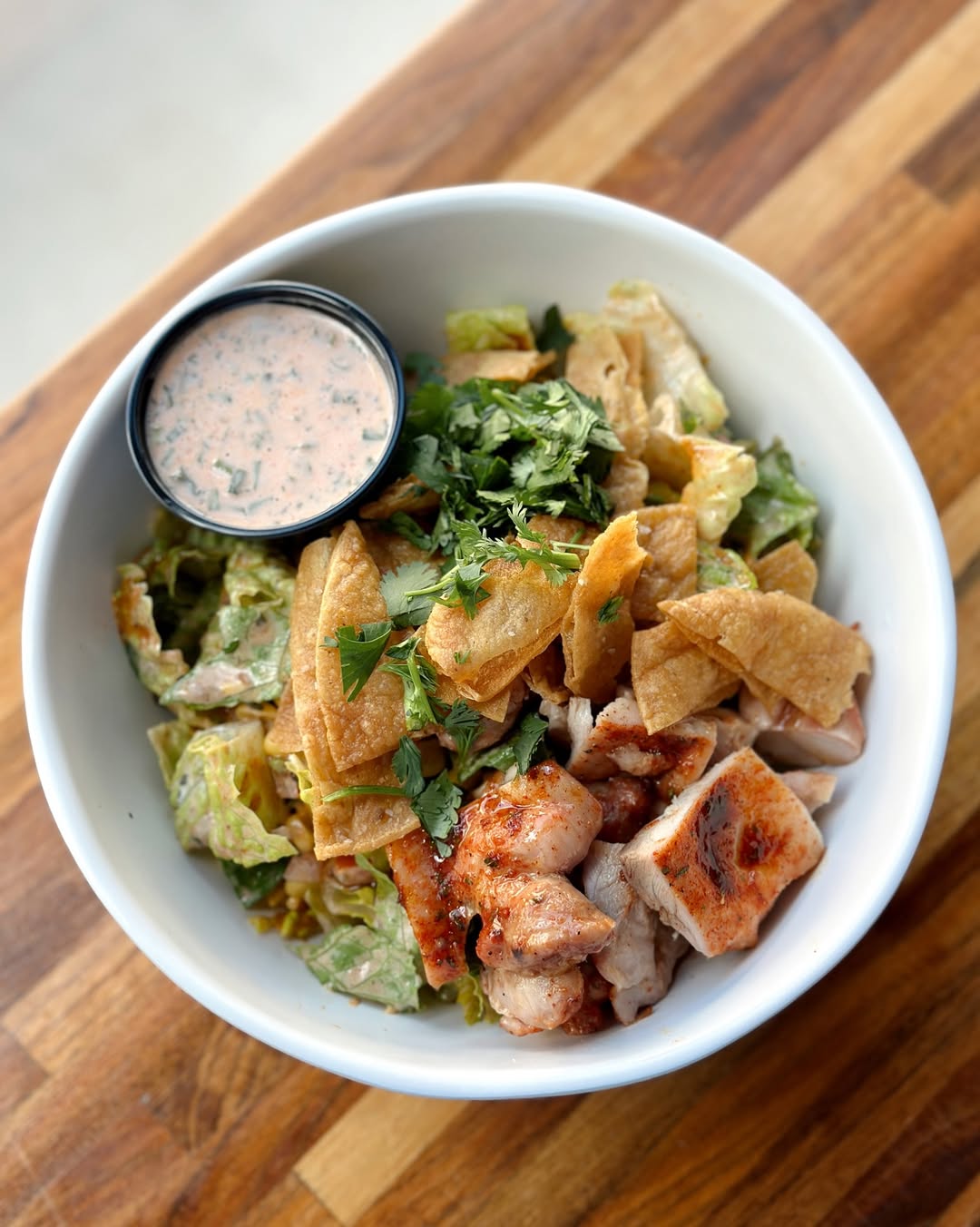
Ever take a bite of a nutritious dish and that one tiny sound of “ crunch!” instantly wakes up the whole experience? Suddenly, the flavors feel louder, a simple bowl of veggies tastes right, and you’re more satisfied than expected. That’s the power of texture. That sound doesn’t just please your ears; it makes your brain feel rewarded.
We often give flavor all the credit, without realizing that texture is doing much of the work. Even the most flavorful bowl feels flat if everything is soft. As humans, we naturally crave crunch, especially in vegetarian food, for freshness and quality. From roasted veggies and nuts to slaws and tortilla chips, a healthy bowl with crunch feels balanced and complete.
In this blog, we talk about the real science behind that little crunch sound, why it matters, why we crave it, and how you can add it to your everyday meals.
That crunchy sound your brain loves isn’t just about the noise. Research shows texture plays a major role in satisfaction and perceived freshness.
Taste matters, but without crunch, it acts like sunlight without warmth. You feel it, but it doesn’t hit the same.
Crunch doesn’t just make food more enjoyable. It supports mindful eating and overall satisfaction.
This multisensory experience of chewing, touching, and hearing pulls you into the moment, helping meals feel more satisfying and appetizing.
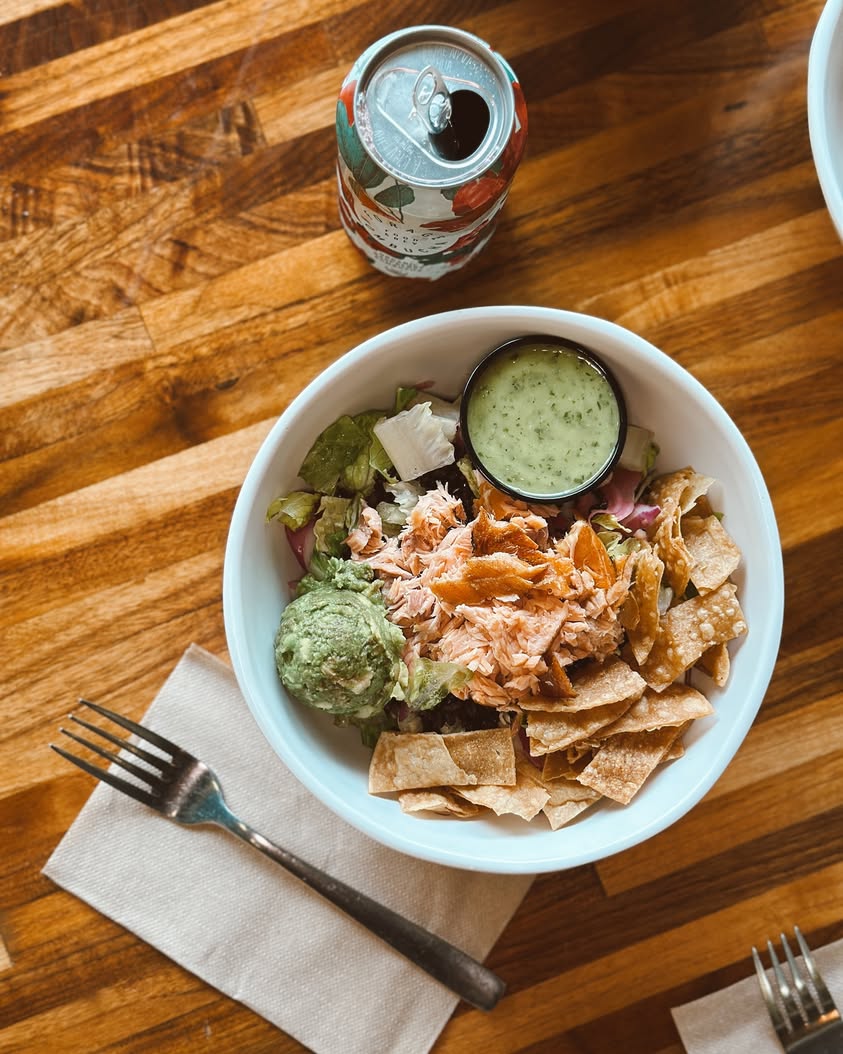
Crispy foods often trigger emotional memory, much like music does. The sound and feel often bring back comforting moments, celebrations, and familiar routines.
When you crave something crunchy, you’re often chasing the sound and mouthfeel of foods tied to childhood or comfort, like roasted nuts, crispy snacks, or holiday meals.
Just like squeezing a stress ball helps distract your mind, chewing crunchy food gives your brain a satisfying distraction that helps regulate stress and help you relax.
That grain bowl you found boring a minute ago? Add some roasted veggies, nuts, or pita chips, and suddenly it’s crave-worthy again.
So how do you add those crunchy, crispy textures to your everyday meals? These simple and interesting tips can make all the difference:
With a few crispy additions, your regular bowls stop feeling boring and instantly become the kind you wonder, “Why wasn’t I doing this earlier?”
Craving crispy, healthy food that actually satisfies? You’re in the right place. Forage Kitchen’s locally sourced fresh ingredients, wholesome bowls, and cozy environment are the perfect combination.
Whether you’re looking for vegetarian, gluten-free, or vegan options, Forage Kitchen's flexible variety at Madison, Milwaukee, and Illinois delivers balance in every bite.
Crunchy foods wake up your senses and signal freshness, which makes your meal feel more satisfying.
Crunchy food, like fruits and vegetables, is often fresher and higher in nutrients.
If you want more crunch in your vegetarian or plant-based meals, just mix in whole foods like veggies, nuts, seeds, slaws, or pita chips.
Crunchy foods take more time to chew, which slows you down and helps you eat more mindfully.
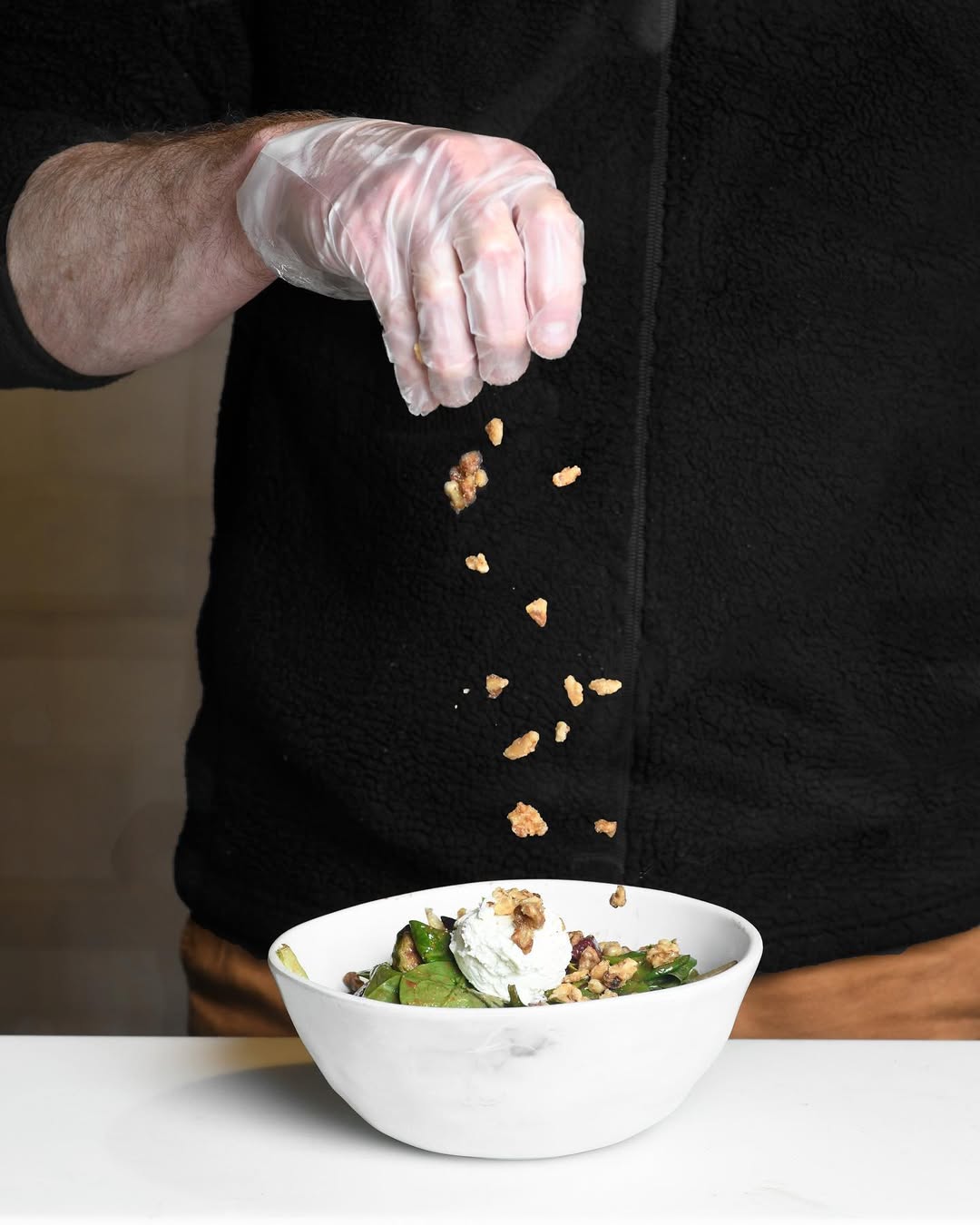
Crunch naturally boosts enjoyment and satisfaction by activating the brain’s reward system. Pairing soft textures with a little crunch makes healthy meals far more interesting.
Forage Kitchen’s bowls and wraps use fresh ingredients and thoughtful textures to elevate the customer’s eating experience.
Ready for a meal that’s fresh, flavorful, and incredibly satisfying? Order from Forage Kitchen for bowls and wraps that celebrate real ingredients and real crunch.