
Blog

Halle Brown
February 12, 2026
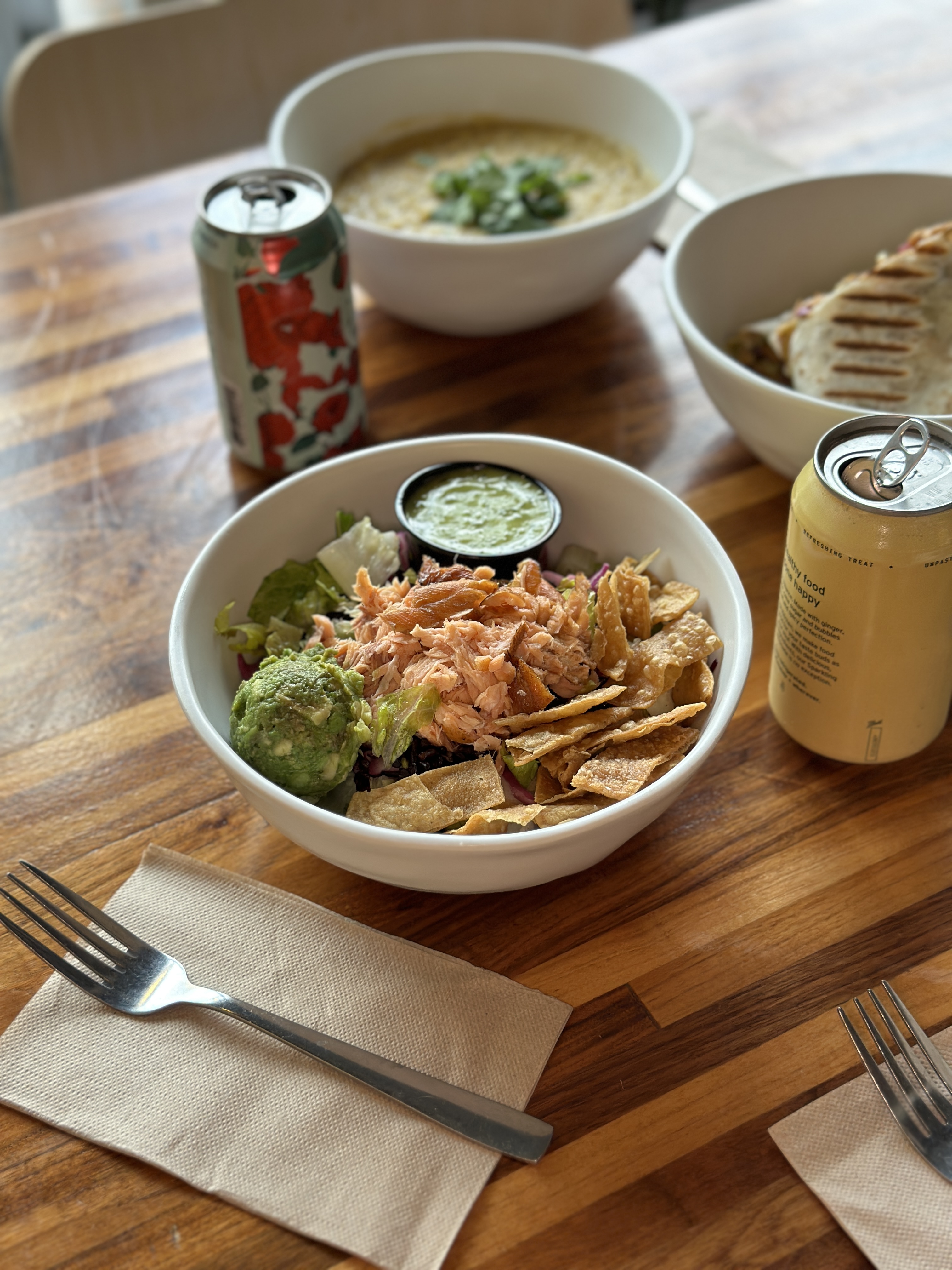
Many people want to shift to eating vegan food, but the idea feels complicated. Too many rules. Unfamiliar ingredients. Recipes that require three trips to specialty stores. Somewhere between intention and execution, the whole thing starts feeling like more trouble than it's worth.
Here's the reality: vegan food today means simple, plant-forward meals built around grains, vegetables, and plant-based protein that actually keep you full. Grain Bowls and Salads are two of the easiest formats for keeping things simple without sacrificing flavor or convenience.
This blog focuses on practical combinations you can actually use, whether you’re ordering lunch out or building meals into a busy routine, not Instagram-perfect arrangements that fall apart the moment you try to eat them.
Understanding what creates friction helps you avoid it entirely and build vegan food habits that actually stick.
Overcomplicated recipes can bring momentum to a screeching halt. When a simple lunch requires fifteen ingredients and an hour of prep time, people feel demotivated. The gap between "perfect" vegan meals and everyday eating becomes so wide that most people just order whatever's convenient instead.
If it takes a lot of mental math to eat vegan food, it won't stick. The simpler the process, the more likely it is to become a regular part of your routine rather than a one-time experiment.
One format, endless combinations. That's the appeal. Grain bowls and salads offer a repeatable structure that adapts easily to different flavors, textures, and ingredients without requiring planning or prep fatigue.
Balance happens naturally when grains, vegetables, and plant-based protein come together in one place. Everything you need for a satisfying meal sits right in front of you. Both salads and grain bowls are portable, customizable, and genuinely more filling when built thoughtfully, making them work so well for everyday vegan eating.
Think of this as your baseline framework, not a recipe to follow:
There’s no one "right" way to layer these components. Balanced plant-based meals simply work better when a variety is built in.
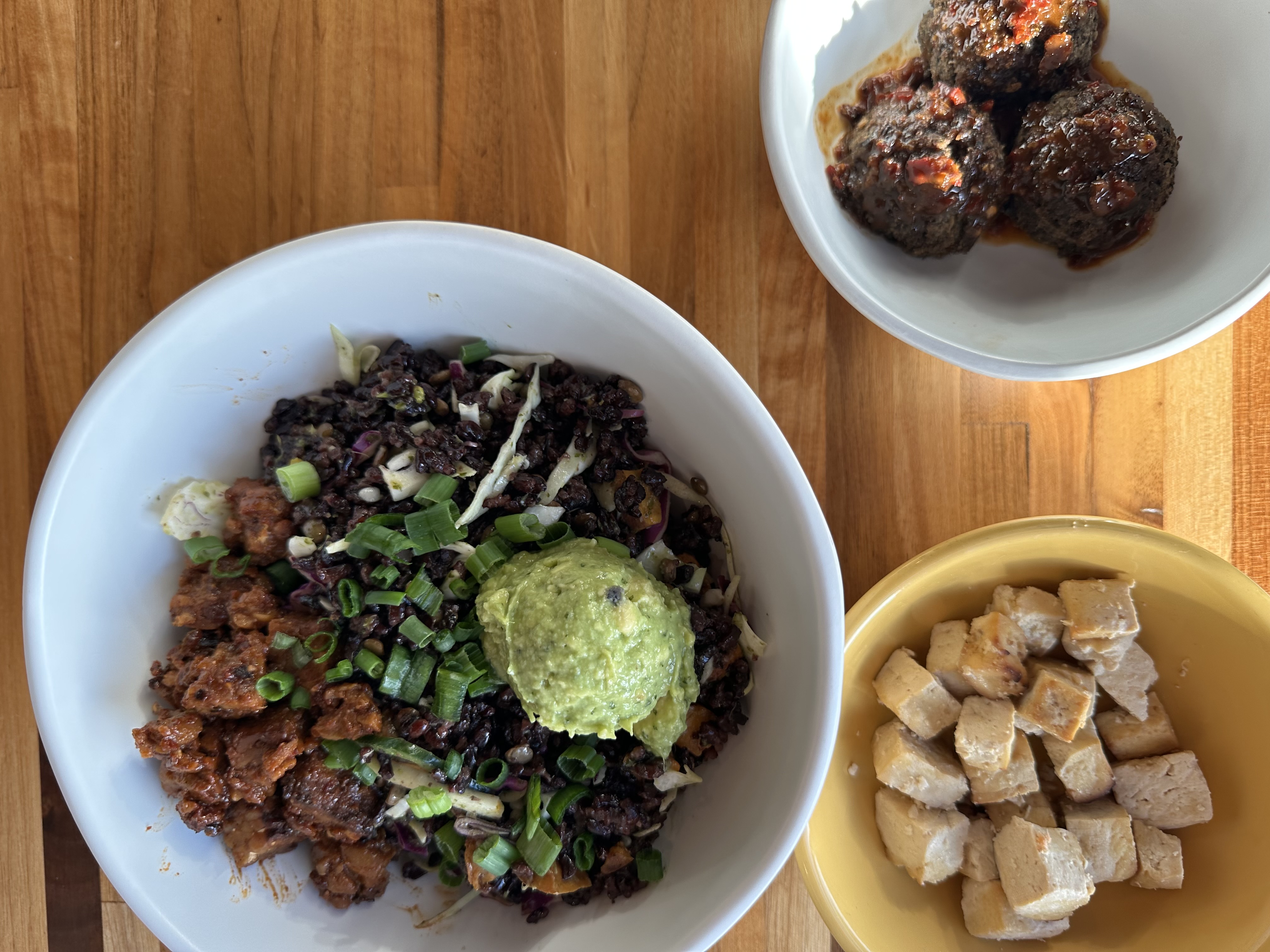
These pairings provide you with starting points, not set recipes, so you can create grain bowls that suit your mood and what is available to you.
Start with warm grains as your base. Then add roasted seasonal vegetables that bring depth and texture. Choose sauces that add richness without overwhelming the bowl.
These bowls feel grounding and satisfying for both healthy lunches and relaxed dinners without feeling heavy.
Aim for a mix of raw and lightly cooked vegetables, fresh greens and herbs, and bright dressings.
This style works especially for plant-based lunches when you want steady energy without a post-meal slump.
Plant-based protein fits naturally into grain bowls when you treat it as one component among many rather than the star. Pair protein with grains for balanced energy that stays steady through your afternoon.
The combination of base, toppings, proteins, and dressing keeps you full without requiring massive portions or complicated preparations.
Salad bowls are often misunderstood as “lighter” meals that won’t last. When built thoughtfully, they’re just as satisfying as grain bowls, especially for plant-forward eaters who want something fresh and energizing.
Built the same way as grain bowls, just with more greens and lighter bases, salad bowls fit naturally into everyday plant-forward eating.
Wraps solve specific problems that bowls can't, especially when you need something portable, mess-free, and quick.
Some days call for portability. Wraps are ideal for desk lunches, short breaks, travel days, or days when you’re eating between commitments. They deliver the same balanced nutrition as bowls, just in a compact format.
Keep wraps balanced and filling by including the key components: grains or spreads as a base, vegetables for crunch and nutrition, plant-based protein for staying power, and sauces that prevent everything from tasting dry.
Avoid one-note flavors by mixing textures and taste profiles.
These layers transform a wrap from functional to genuinely enjoyable. Most bowl ingredients can be used directly in wrap-friendly combinations. You're just arranging them differently.
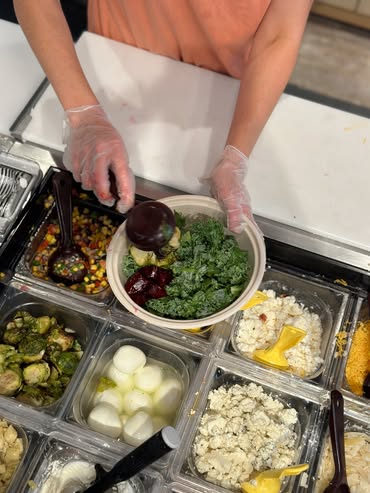
Forage Kitchen's plant-forward approach removes the guesswork from vegan eating. The Build Your Own Bowl makes it easy to build meals that work for different dietary needs without special requests.
The menu naturally supports plant-forward meals without treating them as side notes. Whether you're fully vegan, mostly plant-based, or just adding more vegetables to your routine, the menu works the same way.
Whether you’re stopping in for lunch or planning a relaxed dinner, building a vegan bowl at Forage Kitchen locations in Madison, Middleton, or Sun Prairie starts with choosing ingredients that feel good and work for your day.
Whether you are ordering online or dining in, the result is a bowl that feels complete, flexible, and easy to return to again and again.
Whole grains, plant-based protein, and plenty of vegetables make for well-rounded and satisfying meals.
Add beans, lentils, tofu, or tempeh to grain bowls for sustained energy.
Yes. They're balanced, customizable, and keep you full without afternoon crashes.
Not automatically. Focus on whole ingredients, vegetables, and balanced combinations for healthy food.
Absolutely. Well-prepared vegan food satisfies everyone, regardless of their food preferences.
Vegan food shouldn’t feel complicated or restrictive. Grain bowls and salads keep things simple by removing the guesswork, offering flexible formats that adapt to real schedules and preferences.
When healthy food is accessible and satisfying, it stops feeling like a special effort and becomes the obvious choice. That's when consistency follows naturally.
Visit your nearest Forage Kitchen and build a plant-forward bowl that fits your taste, your schedule, and your everyday routine.